



.svg)
Based on modern genomic studies, the domestic dog (Canis lupus familiaris) is classified as a subspecies of the grey wolf (Canis lupus). This broader species emerged from the Canidae family, which began its evolutionary branch approximately 40 million years ago. While the genus Canis originated in North America and migrated into Eurasia, the specific lineage that led to the domestic dog traces back to a now-extinct, genetically distinct population of the Late Pleistocene wolf. Through prolonged interaction with humans, this lineage diverged from its wild cousins between 15,000 and 30,000 years ago.
This divergence likely began in Western Eurasia through a mutually beneficial partnership between wolves and humans. Over generations, selective breeding initially prioritized working skills – hunting, herding, and guarding – gradually shaping distinct temperaments, sizes, and appearances. Beyond utility, dogs developed sophisticated ways to communicate with us, from nuanced vocalizations to tail wagging. Most extraordinary is synchronized human-canine eye contact, a phenomenon referred to as “neural coupling”, which has been associated with increased oxytocin in both species that deepens mutual bonding. These traits stand as living evidence of an unprecedented coevolutionary relationship, with every recognized breed reflecting a distinct facet of our shared history.
Beyond their working utility, dogs have long served as powerful cultural symbols in the art and mythology of the ancient world. As modern societies have urbanized, their role has shifted from physical labor to emotional companionship, while continuing to serve alongside us in new and diverse ways. Today, dogs are deeply integrated into our daily lives, offering unyielding affection, support, and partnership. In return, we bear the responsibility of their care. How we provide care for them daily is more than mere stewardship; it is how we honor an ancient bond and fuel our shared journey forward.
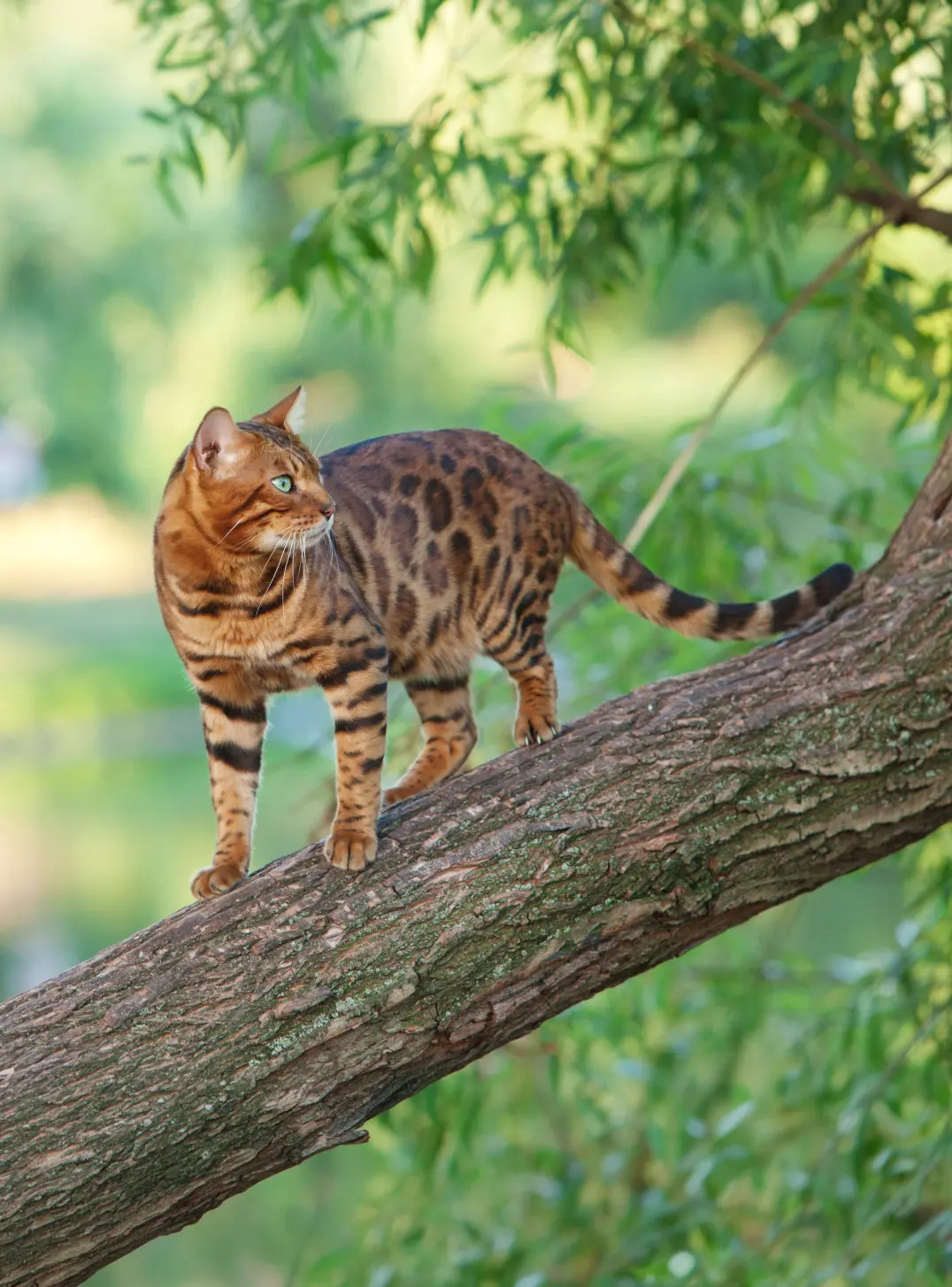
The domestic cat (Felis catus) traces its origin to the African wildcat (Felis lybica), a small feline native to Africa, the Middle East, and Western Asia that still survives today. The Felidae family diverged from other carnivorans approximately 25 to 30 million years ago, while the Felis genus emerged much more recently. Within this lineage, the African wildcat diverged from its closest wild relatives within the last 2 million years, giving rise to the ancestral lineage of the domestic cat approximately 10,000 years ago.
The African wildcat (Felis lybica) is the sole wildcat subspecies ever domesticated – a process that unfolded naturally in the Fertile Crescent alongside the rise of settled agriculture. As early farming communities began storing grain, the presence of rodents attracted wildcats, initiating an interdependent partnership. Spreading through Egypt, cats traveled the globe alongside human migration and expanding maritime trade routes. Throughout this process, they were instrumental in protecting food supplies and human health by controlling pests and limiting the spread of disease. Even now, cats differ only slightly from their wild ancestors, retaining much of the independence, instinct, and behavior that define their origins.
While the human-feline relationship took a different evolutionary path than that of dogs, it represents a uniquely balanced symbiosis. From revered symbols in ancient art and mythology to modern companions in our homes, cats have offered quiet partnership, comfort, and affection for millennia. Because their domestication began more recently, our evolutionary bond with cats is still unfolding. How we cherish and nourish them daily honors their wild heritage while fostering a deeper connection – fueling our shared journey as this remarkable relationship continues to evolve.




.svg)
.svg)
.svg)
.svg)
.svg)